Category: Devices & How-Tos
Published: May 28, 2026
Estimated reading time: 7 minutes
If you have been following tech news this week, one pattern stands out above everything else: artificial intelligence is no longer being tested in pilots or discussed in boardrooms. It is being deployed — at a scale that would have seemed impossible just two years ago.
From the world’s biggest accounting firms to a brand new $4 billion consulting company launched by OpenAI, to a ruling that ChatGPT broke privacy laws in Canada — this week’s stories paint a clear picture of where AI is headed and what it means for the rest of us.
Here is your complete breakdown.
1. KPMG just put Claude AI in the hands of 276,000 employees worldwide
This is one of the biggest enterprise AI deployments ever announced. KPMG — one of the world’s largest professional services and accounting firms — has deployed Anthropic’s Claude AI to all 276,000 of its employees across 138 countries.
This is not simply giving workers access to a chatbot. Claude has been embedded directly into KPMG’s core working platform — the same system its professionals use every day for client work, tax analysis, legal review, and financial advisory. The AI is now part of the actual workflow, not a separate tool sitting alongside it.
What this means in practice:
- Tasks that previously required weeks of engineering work to set up can now be configured in under an hour
- KPMG professionals are building AI-powered workflows in real time for their clients
- Cybersecurity work — specifically identifying and fixing vulnerabilities in client systems — is one of the first areas being transformed
KPMG becomes the third of the world’s four largest accounting firms to deploy Claude at scale. Deloitte (470,000 employees) and PwC (276,000 employees) made similar announcements earlier in 2026. When three of the four biggest professional services firms in the world standardise on the same AI model, they are quietly recommending it to every organisation they advise — which includes most of the world’s largest companies and governments.
2. OpenAI launched a $4 billion AI consulting company
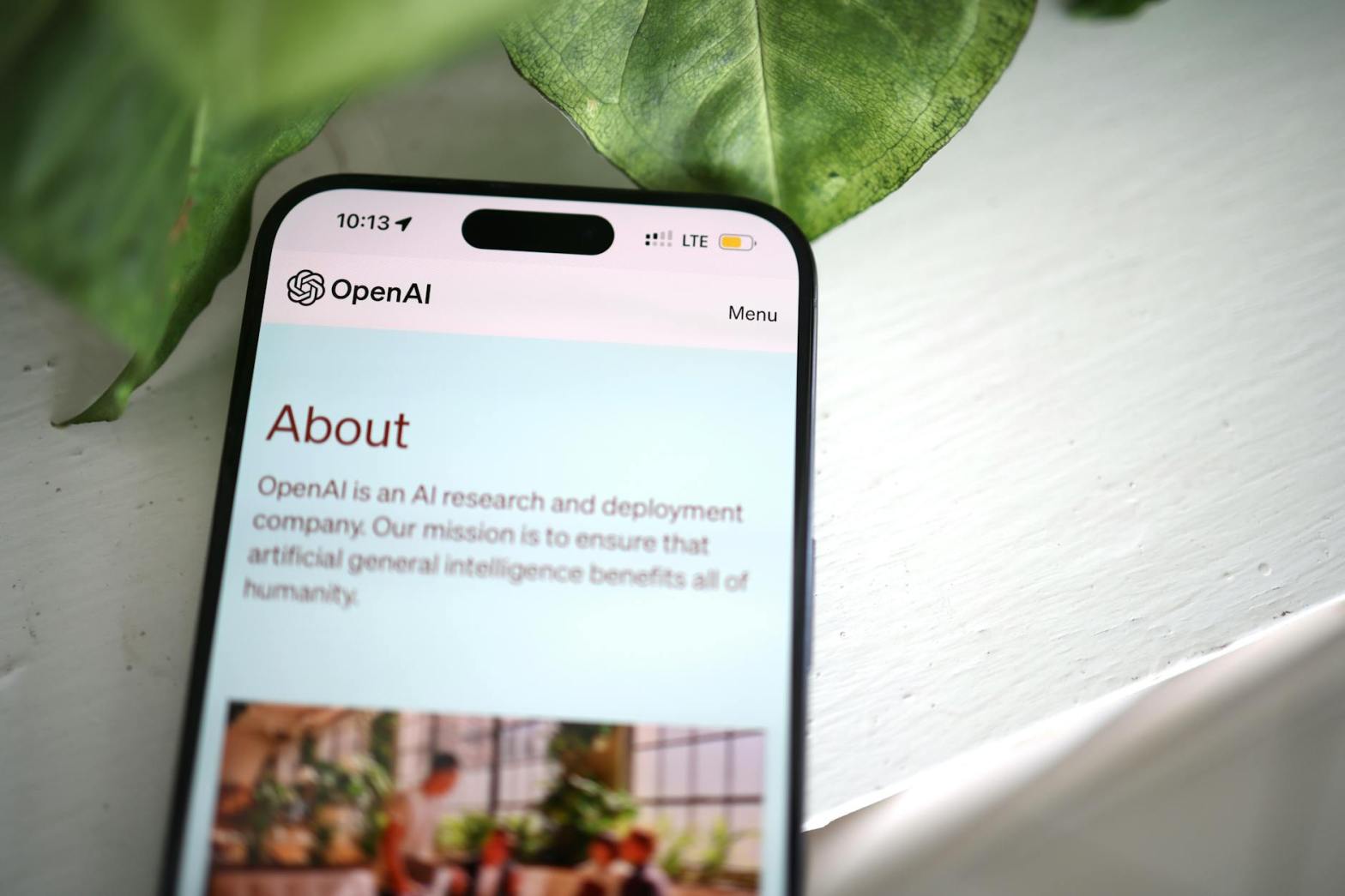
OpenAI — the company behind ChatGPT — launched a new standalone consulting subsidiary this week called *DeployCo, backed by more than *$4 billion** in funding from 19 investment firms and consultancies including Goldman Sachs, McKinsey & Company, Bain Capital, and Capgemini.
Rather than simply selling AI subscriptions and leaving companies to figure out implementation on their own, DeployCo places OpenAI’s own engineers directly inside client organisations. Their job is to identify where AI creates the most value, build it into existing systems, and deliver measurable results before expanding.
Think of it as AI-as-a-service, but with human experts embedded in your business to make it actually work.
Why this matters:
OpenAI’s share of the enterprise AI market reportedly fell from around 50% in 2023 to approximately 25% by mid-2025 as competitors like Anthropic and Google gained ground. DeployCo is OpenAI’s direct response — an attempt to win back corporate clients by offering something more than just model access.
For Nigerian businesses watching these developments, the message is clear: AI implementation is becoming a competitive advantage. The companies that figure out how to embed AI into their workflows first will move faster and cost less to run than those that wait.
3. Sam Altman walked back his “AI will take all the jobs” prediction
In a notable shift, OpenAI CEO Sam Altman told an audience in Sydney this week that he had been wrong about AI causing widespread job losses.
Altman admitted that human interaction remains essential in many professional roles, and that the real-world pattern of AI adoption has been augmentation rather than replacement — AI making workers more productive, not eliminating them entirely.
This is a significant reversal from the “jobs apocalypse” language that dominated AI headlines just 12 months ago. Real-world data from organisations actually deploying AI is showing that the most effective use is humans working with AI, not AI working instead of humans.
What this means for Nigerian students and professionals:
This is good news — and it reinforces what EduTechHub has always said. Learning to use AI tools effectively does not mean competing with AI. It means becoming the kind of professional who knows how to direct, verify, and apply what AI produces. That skill is increasingly what employers are paying for.
4. Canada ruled that ChatGPT violated privacy law
Canada’s Office of the Privacy Commissioner, along with provincial counterparts in Quebec, British Columbia, and Alberta, issued findings concluding that OpenAI’s methods for developing ChatGPT violated Canadian privacy laws.
The ruling relates to how OpenAI collected and used personal data to train its AI models — doing so without adequate consent from the people whose data was used.
OpenAI disputes the findings and has indicated it will not comply with the remediation orders, setting up what could become a landmark legal battle over AI data rights.
Why this matters globally:
This is not just a Canadian story. The question of whether AI companies can use public internet data — which includes personal information about millions of people — to train their models without explicit consent is being asked in courts and regulatory bodies around the world. Europe, the UK, Australia, and others are all watching this case closely.
For Nigerian users of AI tools, it raises a question worth thinking about: what data are you sharing with these platforms, and how is it being used?
5. Two AI companies just merged to challenge American AI dominance
Cohere (Canada) and Aleph Alpha (Germany) announced a merger this week valued at approximately $20 billion, creating what they describe as a “transatlantic AI powerhouse.”
The strategic logic is straightforward: as tensions between the US and China grow, and as European governments become increasingly uncomfortable routing sensitive data through American AI infrastructure, a Canadian-German AI provider operating under both countries’ data frameworks becomes genuinely attractive.
Germany’s public sector — including government ministries, Deutsche Bank, SAP, and Bosch — are already Aleph Alpha customers. Canada brings global AI development capability and $240 million in Canadian government funding.
This deal signals that the global AI market is fragmenting along national and regional lines — with different parts of the world potentially ending up with different AI systems built on different values and rules.
The bigger picture — what all of this means
Five stories, one clear theme: AI deployment is the new battleground.
The race to build the best AI model is still happening, but the more important competition right now is over who can successfully integrate AI into the organisations — businesses, governments, schools — that make up the real world. That is what KPMG, DeployCo, and the Cohere-Aleph Alpha merger are all really about.
For Nigerian students, teachers, and professionals, the practical takeaway is this:
- AI is not replacing professionals — it is changing what professionals need to know. Sam Altman’s retraction this week confirms what we see in the data.
- The organisations winning with AI are those embedding it into daily workflows, not those treating it as an occasional tool to try out.
- Privacy and data rights around AI are becoming a global issue. Being informed about what AI platforms do with your data is becoming as important as knowing how to use the tools themselves.
Quick summary
| Story | What happened | Why it matters |
|---|---|---|
| KPMG + Claude | 276,000 employees get Claude AI | Largest Big Four AI deployment |
| OpenAI DeployCo | $4B consulting subsidiary launched | AI implementation becomes a product |
| Sam Altman reversal | “AI won’t cause mass job losses” | Augmentation, not replacement, is the real pattern |
| Canada vs ChatGPT | Privacy law violation ruling | AI data rights becoming a legal battleground |
| Cohere + Aleph Alpha | $20B transatlantic AI merger | Sovereign AI alternatives to US companies emerging |
Which of these stories surprises you the most? And do you think Nigerian businesses and schools are moving fast enough to take advantage of AI tools? Drop your thoughts in the comments below.