How Nigerian Teachers Can Use AI to Cut Lesson Prep Time in Half

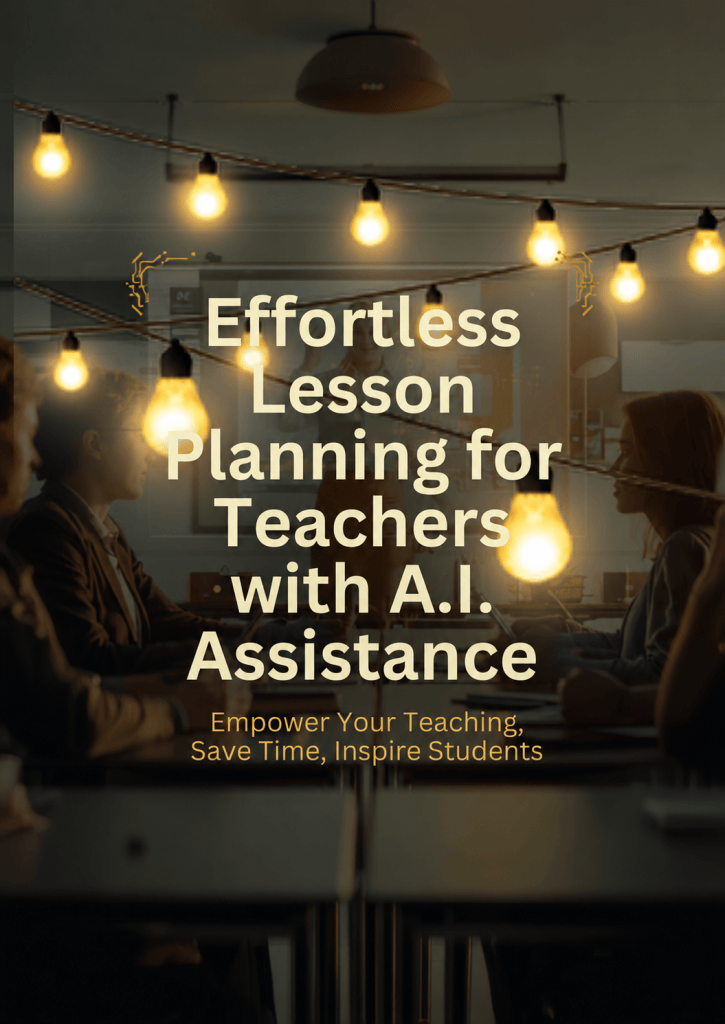
Lesson preparation and planning eats into evenings and weekends that most Nigerian teachers simply don’t have to spare: between marking, extra classes, and often a second job to make ends meet. The good news: AI tools for teachers have matured well past the gimmicky chatbot stage, and are now genuinely useful for the unglamorous parts of teaching prep, including schemes of work, lesson notes, differentiated worksheets, and slides, without replacing the judgment that makes a lesson actually land with students.

Here’s a practical breakdown of what to use, and how to use it, without burning your data bundle.

Start with the tools that don’t need a subscription

You don’t need a paid platform to get real value. Three tools cover almost everything a Nigerian classroom teacher needs for weekly prep:

ChatGPT or Gemini (free tier): Both handle the bulk of lesson note writing. Give either one your topic, class level, and curriculum (WAEC, NECO, or NERDC scheme of work), and ask for a full lesson note: objectives, introduction, presentation steps, evaluation questions, and assignment. YOU WILL STILL NEED TO EDIT; AI drafts are a starting point, not a finished lesson.

NotebookLM: Upload your syllabus, past questions, or a textbook chapter and ask it to summarise, generate discussion questions, or build a quick quiz from the material. Because it only works from what you upload, it’s less likely to invent facts than a general chatbot, which is useful when you’re prepping around a specific WAEC/JAMB syllabus section.

Canva AI (Magic Design): Turn your lesson note into a slide deck or a printable worksheet in minutes. Especially useful for visual subjects like Biology diagrams, Geography maps, or English comprehension passages.

MagicSchool AI is worth the extra step if you teach full time

MagicSchool has become one of the most widely used AI platforms built specifically for teachers, bundling over 80 tools for lesson plans, rubrics, worksheets, and parent communication into one interface, with a free tier that covers the core tools (see this comparison of AI tools for teachers). The catch for Nigerian teachers: it’s built around US curriculum language, so you’ll need to manually swap in WAEC/NECO or NERDC terms and topics. Still, for teachers handling multiple subjects or classes, the time saved on differentiation and critical thinking is significant.

A prompt structure that actually works

Vague prompts get vague lesson notes. Use this structure instead:

“Create a [duration] minute lesson note for SS2 [subject] on [topic], following the NERDC/WAEC scheme of work. Include: learning objectives, a 5 minute introduction/hook, step by step presentation of content, 3 evaluation questions, and one homework task. Keep language appropriate for a Nigerian public secondary school classroom.”

Being specific about class level, curriculum, and setting is what separates a usable lesson note from a generic one you have to rewrite anyway.

Build a weekly rhythm, not a one off habit

The teachers getting the most out of these tools aren’t using AI for every single lesson; they’re using it strategically:

  • Sunday or Monday: Generate the week’s lesson notes in one batch using ChatGPT or Gemini
  • Midweek: Use NotebookLM to build a quick revision quiz from that week’s content
  • Before tests: Use Canva AI to turn notes into a one page visual summary for revision

This keeps AI use contained to planning time, rather than something you’re fighting with mid lesson.

Two things to watch for

Always verify facts and figures. AI tools can confidently generate incorrect dates, formulas, or historical details. Cross check anything going into a lesson note against your textbook or the official WAEC/NERDC syllabus before you teach it.

Mind your data. ChatGPT, Gemini, and Canva all work fine on 3G, but image generation and long documents burn through data fast. Draft your prompts in a notes app first, then send them in one go rather than going back and forth online.

The bottom line

AI won’t write a lesson that connects with your specific class; it doesn’t know your students. What it will do is take the blank page problem off your plate, so the hour you’d have spent starting from scratch becomes twenty minutes of editing something that already has structure. For teachers juggling large classes and thin resources, that’s real time back.

Have you tried any of these tools in your classroom? Share what’s worked (or flopped) for you in the comments.

Free community for educators ready to level up with tech and AI — Canva Pro tricks, premium tool hacks, teaching resources, and occasional job alerts. No cost, just value.

📱 Telegram: https://t.me/+_X2av12ndEJiODFk
💬 WhatsApp: https://chat.whatsapp.com/HmmSQ33Yxts65HuQD5wqi6?s=cl&p=a&ilr=1&amv=0

https://whatsapp.com/channel/0029VbDKDfq2UPBJnzNUNj1mDear

Tag a teacher who needs this 👇 #AIforTeachers #EdTechNigeria

Nigeria Just Took On Google, Meta, and AI Giants — Here’s Why It Matters for You

If you’ve been scrolling tech news this month, you may have caught a story that’s bigger than it first looks. Nigeria has ordered an investigation into major technology companies and generative AI platforms over allegations that they’ve used the country’s news content without paying for it fairly. President Bola Tinubu directed the Federal Competition and Consumer Protection Commission (FCCPC) to look into a petition from the Nigerian Press Organisation — a coalition of newspaper publishers, broadcasters, and journalists — accusing companies like Meta, Google, X, and unnamed AI platforms of weakening competition and eroding the survival of Nigerian news outlets.

It sounds like a media industry problem. It isn’t. Here’s why every Nigerian tech user, student, and small business owner should be paying attention.

The Real Story: Who Profits From Nigerian Content?

Nigerian newsrooms do the expensive work — reporting, fact-checking, editing. But increasingly, that work feeds directly into AI chatbots and search summaries that answer your questions without you ever clicking through to the original article. When that happens at scale, the publishers who created the value get squeezed out of the money.

This isn’t just about journalism, either. It’s the same question hanging over every Nigerian creator, blogger, and small tech business right now: when a foreign platform builds a product on top of local content and data, who actually captures the value?

Nigeria Isn’t the First to Fight This Battle

Other countries have already tested different approaches, and the results were mixed:

  • Australia forced platforms to negotiate through its News Media Bargaining Code. Google threatened to pull search from the country and Meta briefly yanked news off Facebook — but public pressure won out, and Australian publishers eventually secured large payouts.
  • Canada tried something similar, but Meta simply removed news from Facebook and Instagram entirely rather than pay up, and hasn’t reversed course.
  • South Africa took a quieter, evidence-based route through its Competition Commission, studying the ad market before asking Google for specific support — avoiding a full-blown political fight.

Nigeria is entering this fight later than these countries, which could actually work in its favor. Regulators here get to see what worked and what backfired before writing the rulebook.

Why This Matters for Nigeria’s Tech Economy

A few angles worth thinking about:

  1. This is part of a bigger regulatory pattern. Nigeria’s tech authorities have been getting more assertive: from FCCPC’s past clash with Meta over data practices to NITDA’s platform compliance rules. Big Tech is being told, increasingly clearly, that operating in Nigeria comes with local obligations.
  2. AI training data has real economic value and Nigeria is beginning to notice. If AI platforms are quietly built on Nigerian journalism, Nigerian languages, and Nigerian data without compensation, that’s value leaving the local economy. This case could set a precedent for how AI companies are expected to deal with local content going forward.
  3. It could reshape how you discover news and information. If platforms respond the way Meta did in Canada, Nigerians could see news disappear from certain feeds. If it goes the Australia route, expect negotiated deals and possibly better-funded local newsrooms.
  4. It’s a signal to Nigerian creators and businesses too. Whether you run a blog, a YouTube channel, or a small tech business, the underlying question “does the platform economy fairly reward local creators?” applies far beyond news publishing.

The Bottom Line

This investigation isn’t just a policy story for journalists to worry about. It’s an early signal of how Nigeria plans to deal with global tech power more broadly and how much leverage local creators and businesses might eventually have over the platforms that profit from their work. Whichever way the FCCPC’s findings go, it’s worth watching closely: the outcome could shape how AI companies treat African content for years to come.

What do you think? should Big Tech and AI companies pay Nigerian publishers for the content that powers their platforms? Let us know in the comments.


Join Our Community for Educators

Dear Educators,

We have a yearning to create these groups in order to empower teachers in the use of basic technology and the use of A.I tools for a variety of teaching and learning activities. This includes, and is not limited to, free pro tools on utility apps such as Canva, AI apps and sites, teaching platforms, enlightening articles and occasionally, job vacancies.

Click the links below to join, and share with other educators you know:

5 AI Tools Nigerian Students Can Use to Prepare for WAEC and JAMB in 2026

Exam season is a different kind of pressure — past questions to grind through, topics to revise, and never quite enough hours in the day. The good news is that AI tools have gotten a lot more useful for exam prep, and several of them work well even on the kind of data plans and devices most Nigerian students actually have. Here are five worth trying before your next WAEC or JAMB sitting.

1. ChatGPT for Explaining Difficult Topics

Instead of re-reading a textbook paragraph five times, paste it into ChatGPT and ask for a simpler explanation, or ask it to break a Further Maths or Chemistry topic into steps. It’s especially good at working through past-question solutions step-by-step so you understand the “why,” not just the answer. A better substitute of chatGPt is the very brilliant CLAUDE.

2. Google Gemini for Quick Fact-Checking and Summaries

Gemini is built into many Android phones already, which makes it convenient for students without a separate laptop. Use it to summarize long Government, History, or Literature texts into revision-friendly notes, or to quiz yourself on a topic before a test.

3. NotebookLM for Turning Your Notes Into a Study Companion

Upload your class notes, textbook PDFs, or past questions into NotebookLM and it becomes a study assistant that only knows your material — so answers stay grounded in your syllabus instead of pulling from the wider internet. It can generate summaries, FAQs, and even an audio overview you can listen to on the go.

4. Quizlet AI for Flashcards and Practice Tests

Quizlet’s AI features can generate flashcards and practice quizzes from your own notes in seconds, which is a huge time-saver compared to making them by hand. Great for subjects like Biology, Government, and Economics that lean heavily on definitions and case facts.

5. Photomath for Maths and Further Maths

When you’re stuck on a Maths problem, Photomath lets you scan the question with your phone camera and get a full step-by-step solution. It’s less about giving you the answer and more about showing the working, which is exactly what WAEC and JAMB examiners want to see.

A Word of Caution

These tools are for understanding, not for cheating. JAMB’s CBT environment and WAEC’s exam halls don’t allow phones or AI access, so the real value here is in the weeks and months before the exam — building understanding so the knowledge is actually yours on exam day.

Final Thoughts

None of these tools replace consistent revision, but used well, they can cut down the time it takes to understand a difficult topic and free up more time for practice. Start with one or two, get comfortable with them, and build them into your normal study routine rather than reaching for them only in a panic close to exams.

Thanks for your feedback. Do like, share and follow us.

Apple September 2026 Event: What Nigerian Buyers Need to Know — iPhones, Foldable & Prices

Every September, Apple takes the stage and the internet goes into a frenzy. This year promises to be one of the biggest yet — and if you’re a tech-savvy Nigerian, here’s everything you need to know about what Apple is expected to announce and what it could mean for your pocket.

When is the Apple September 2026 Event?

Apple has not officially confirmed the date yet, but based on their consistent annual calendar, the September 2026 iPhone event is widely expected to fall in the week of September 7 — possibly September 8 or 9. Apple keynotes typically begin at 10:00 AM Pacific Time, which translates to 6:00 PM Nigerian time (WAT). Mark your calendar.

What Apple is Expected to Announce

📱 iPhone 18 Pro — the camera upgrade you’ve been waiting for

The iPhone 18 Pro is shaping up to be a serious camera beast. Rumours point to a variable aperture main lens — similar to how a DSLR camera works — giving you more control over depth of field and low-light shots. It will reportedly run Apple’s new A20 Pro chip, built on a 2nm process, making it faster and more efficient than any iPhone before it. A smaller Dynamic Island and a rumoured dark cherry colour option round things out.

📲 The foldable iPhone — Apple finally goes foldable

This is the headline announcement everyone has been waiting for. Apple is reportedly launching its first-ever foldable iPhone, rumoured to be called the “iPhone Fold” or “iPhone Ultra.” Here’s what makes it exciting:

  • A 5.3-inch external screen that unfolds into a 7.6-inch internal display
  • Book-style fold design — think a small iPad mini when open
  • Just 4.5mm thin when unfolded — incredibly slim
  • Advanced hinge tech designed to nearly eliminate the crease

⌚ Apple Watch Series 12 & more

Alongside the iPhones, a new Apple Watch Series 12 is expected. There are also rumours of updated HomePod and Apple TV models, and potentially iPad and iPad mini refreshes.

What Does This Mean for Nigerian Buyers?

💸 Brace for the Naira price

Here’s the honest truth: buying Apple products in Nigeria has never been cheap, and 2026 is unlikely to be different. With the Naira still under pressure against the dollar, expect prices at authorised Nigerian retailers like iStore, Slot, and 3CHub to reflect the exchange rate at time of import.

As a rough guide — if the iPhone 18 Pro starts at $999 in the US, you could be looking at somewhere in the region of ₦1.6 million to ₦1.9 million or more, depending on exchange rates and import duties at the time of Nigerian launch. The foldable iPhone will likely start at a premium above that — possibly $1,499 or more in the US, translating to well over ₦2 million locally.

🛍️ Grey market vs. authorised retail

Many Nigerians purchase iPhones through the grey market — buyers bringing devices from the UK, US, or Dubai. This often makes phones cheaper but comes with no official warranty. If you want to be among the first to get the new iPhones in Nigeria, start saving now and decide whether you’ll go official retail or grey market.

🌍 Is the foldable iPhone worth it for Nigeria?

Probably not as a day-one purchase. Foldable phones are still a relatively new category, and the price premium is massive. However, if you’re a content creator, business person, or power user who could genuinely benefit from a large screen in your pocket, it’s worth keeping an eye on reviews before deciding.

How to Watch the Apple Event Live from Nigeria

You can stream the September event live at 6:00 PM WAT on:

We’ll be covering the event live on this blog — bookmark this page and follow us for real-time updates and a Nigerian buyer’s breakdown of everything Apple announces.


Are you planning to upgrade to iPhone 18 or waiting to see the foldable? Drop your thoughts in the comments below!

Sources: Apple Newsroom | Apple Events | MacRumors | Macworld

Xiaomi Devices Can Now Use AirDrop: Everything You Need to Know

Introduction

If you own a Xiaomi smartphone, here is some exciting news: you can now share files directly with iPhone, iPad, and Mac users using Apple’s AirDrop; no third party apps, no cables, no complicated steps required. Xiaomi has officially joined a growing list of Android manufacturers bringing this game changing feature to their devices; and it is only getting started.

In this article, we break down exactly what this means, which devices are supported, and why this is such a big deal for everyday smartphone users.


What Is AirDrop and Why Does It Matter?

AirDrop is Apple’s wireless file sharing feature that allows iPhone, iPad, and Mac users to send photos, videos, documents, and more to each other instantly. It is fast; it is seamless; and it has always been one of the features Android users wished they had access to.

For years, sharing files between an Android phone and an iPhone meant relying on third party apps like WhatsApp, Google Drive, or Bluetooth workarounds. That frustration is now becoming a thing of the past.


How Did This All Begin?

The story starts in November 2025, when Google made a landmark announcement: Android’s Quick Share would now work seamlessly with Apple’s AirDrop. At the time, the feature was exclusive to the Google Pixel 10 series. However, Google always intended to expand it further.

By early 2026, the feature had already reached the Pixel 9, Pixel 10a, and Samsung Galaxy S26 series. Then on May 12, 2026, Google officially confirmed that AirDrop support via Quick Share would expand to several major Android partners; including Samsung, OPPO, OnePlus, Vivo, Xiaomi, and Honor throughout 2026.


Xiaomi Joins the Party

Xiaomi became the latest Android brand to announce AirDrop support, following similar announcements from Samsung, Vivo, and OPPO. The company shared a video preview of the feature through its official Xiaomi HyperOS account on X (formerly Twitter), showing just how smoothly the file sharing works between a Xiaomi device and an Apple device.

The feature is part of a new HyperOS 3 update; which is Xiaomi’s custom version of Android 16. Currently, the Xiaomi 17T Pro is the first confirmed device to receive the update. However, other HyperOS 3 devices are expected to follow in the coming weeks.

With the update, Xiaomi users can now; share images directly to iPhones via AirDrop; send documents and files to MacBooks wirelessly; and receive files from Apple devices right in the standard Quick Share menu. All of this happens within the existing HyperOS sharing interface; making it feel completely native.


Which Xiaomi Devices Will Get It?

At the moment, Xiaomi has officially confirmed support for the Xiaomi 17T Pro. The company has not yet released a full list of supported devices; though it is widely expected that other flagship HyperOS 3 devices will also receive the update soon.

Xiaomi is set to launch the Xiaomi 17T in India on June 4, 2026; and many are watching closely to see whether that device will also ship with AirDrop support out of the box.

For now, the feature is expected to roll out to high end Xiaomi models first; including the Xiaomi 17, Xiaomi 17T Ultra, and Xiaomi 17T. Budget and mid range models may have to wait longer; or may not receive the feature at all.


What Does This Mean for You?

If you own a supported Xiaomi device, this update means you no longer need any extra app to send a file to your friend’s iPhone. You simply open Quick Share on your Xiaomi phone; your friend opens AirDrop on their iPhone; and the transfer happens in seconds. Clean, fast, and effortless.

For Xiaomi users who work or study alongside iPhone users (which is most of us), this removes one of the most common daily frustrations in tech. It is a small update on the surface; but in practice it makes a significant difference.


What About Other Android Brands?

Xiaomi is not alone in this rollout. Here is a quick look at where things stand across major brands:

Google Pixel 10, 9, and 8a already support the feature. Samsung Galaxy S26; S25; S24; Z Flip 6 and 7; and Z Fold 6 and 7 are all confirmed. OPPO Find X9 series including the X9, X9s, X9 Pro, and X9 Ultra are supported. Vivo X300 Ultra is also confirmed. OnePlus and Honor are expected to follow; though specific device lists have not yet been released.


Final Thoughts

The wall between Android and iOS is slowly coming down; and Xiaomi’s latest update is proof of that. Whether you are a student sharing notes between devices, a professional sending files across platforms, or simply tired of the Android to iPhone sharing headache; this update is for you.

At EduTechHub, we will keep you updated as more Xiaomi devices receive this feature and as the rollout expands to other brands. Subscribe to our YouTube channel for video tutorials and the latest tech news explained simply.

Your AI advantage starts here.


Top 5 Ways AI is Changing the World in 2025


Introduction

Artificial intelligence (AI) is no longer just a topic for scientists and tech experts; it is now a part of everyday life. From helping students learn faster to making our food safer, AI is quietly transforming the world around us. In this article, we break down the top 5 ways AI is changing the world and why it matters to you.

According to the Stanford AI Index Report 2025, AI is now deeply embedded in sectors like education, finance, and healthcare, with its influence on society growing stronger every year.


1. Education — Empowering Teachers and Students with AI

Imagine a classroom where every student gets a lesson designed just for them and every teacher has a smart assistant helping them plan, teach, and assess. That is exactly what AI is making possible today.

For Teachers: Lesson Preparation Made Easy

One of the biggest challenges teachers face is spending hours preparing lesson plans, worksheets, and assessments. AI is changing that. Tools like MagicSchool AI and Eduaide.Ai allow teachers to generate full lesson plans, rubrics, quizzes, and differentiated materials for different learning levels; all in minutes. A teacher who used to spend three hours preparing a week’s worth of lessons can now do it in under thirty minutes.

AI also helps teachers write better assessment questions. Instead of crafting multiple choice questions or essay prompts from scratch, a teacher can simply describe the topic and let AI generate a variety of question types; saving time and improving quality at the same time.

For Teachers: Smarter Assessment of Learners

Grading and tracking student progress is another area where AI shines. Platforms like Formative and Gradescope use AI to automatically grade assignments, highlight common mistakes across the class, and give teachers a clear picture of where each student is struggling. This means teachers can spend less time marking and more time actually teaching.

AI can also identify patterns. For example, it can notice that 70% of students in a class are struggling with the same concept; allowing the teacher to address it immediately rather than waiting until exam results come in. That kind of insight used to take weeks to uncover. Now it takes seconds.

For Students: Personalized Learning Anytime

For students, AI tools like Khan Academy’s Khanmigo and ChatGPT act as personal tutors available at any hour. They adapt to each student’s pace; explain concepts in different ways; and provide instant feedback. Something a single teacher in a large classroom cannot always do.

According to Unified AI Hub, spending on AI in education is expected to surpass $32 billion by 2030, meaning more tools, more access, and more opportunities for both teachers and students everywhere.

What this means for you: If you are a teacher, try MagicSchool AI; it is free and will save you hours every week. If you are a student, use ChatGPT or Khanmigo to get help with any subject at any time of day.


2. Healthcare: Saving Lives with Smarter Diagnosis

Doctors are now using AI to detect diseases earlier and more accurately than ever before. AI systems can scan medical images (X-rays, MRIs, and ultrasounds) and spot signs of cancer, heart disease, or infection that a human eye might miss.

The US AI healthcare market is projected to grow from $7.72 billion in 2024 to nearly $100 billion by 2033. For everyday people, AI health apps are already helping with monitoring blood pressure; tracking fitness; and detecting early signs of mental health issues. All from your smartphone.

What this means for you: Free apps like Ada Health use AI to help you understand your symptoms before visiting a doctor.


3. Finance: Protecting Your Money and Making It Grow

Whether you are saving, investing, or simply spending, AI is working behind the scenes to keep your money safe. Banks use AI to detect fraudulent transactions in seconds. If someone tries to use your card in an unusual way, AI flags it immediately; alerts are sent; and the transaction is blocked before any damage is done.

AI is also making investing more accessible. Robo-advisors can now manage investments automatically; giving everyday people access to financial strategies once only available to the wealthy. According to research, banking AI could contribute up to $2 trillion to the global economy in the coming years.

What this means for you: Use AI budgeting apps to manage your income; track your expenses; and start building healthy financial habits today.


4. Food: Making What We Eat Safer and More Sustainable

AI is transforming the way food is grown, distributed, and checked for safety. Farmers are using AI-powered drones and sensors to monitor crops; detect plant diseases early; and reduce pesticide use. The result is healthier food for everyone on the table.

On the safety side, AI systems scan products in factories faster than human inspectors, catching contaminated items before they reach shelves. According to a ScienceDirect study on AI and food safety, AI is being integrated into smart agriculture and supply chain management to revolutionize food production.

The World Economic Forum also reports that AI is enabling personalized nutrition; helping people get dietary advice tailored to their own body and lifestyle.

What this means for you: AI nutrition apps can help you make smarter food choices based on your personal health goals. No dietitian required.


5. Safety and Security: Protecting Communities and People

AI works around the clock to keep people safe; from detecting cybersecurity threats to predicting natural disasters before they strike. In the digital world, AI tools protect us from scams, phishing emails, and online fraud every single day.

The National Academies of Sciences notes that AI tools are increasingly being developed to enhance biosecurity and protect communities from emerging threats. Governments, businesses, and individuals are all benefiting from this protection; often without even realising it.

What this means for you: Your bank’s fraud detection and Google’s spam filters are already powered by AI; protecting you right now without you even noticing.


Final Thoughts

AI is not some distant future technology; it is here right now, making real differences in education, health, money, food, and safety. The best part? Most of these tools are free or affordable, meaning anyone (students and teachers included) can take advantage of them today.

At EduTechHub, our mission is to help you understand and use these tools to get ahead. Subscribe to our website at https://edutechhub.school.blog as well our YouTube channel for weekly tutorials on the best AI tools and tech tips; completely free.

Your AI advantage starts here.

AI is now running the world’s biggest companies — here is what happened this week

Category: Devices & How-Tos
Published: May 28, 2026
Estimated reading time: 7 minutes


If you have been following tech news this week, one pattern stands out above everything else: artificial intelligence is no longer being tested in pilots or discussed in boardrooms. It is being deployed — at a scale that would have seemed impossible just two years ago.

From the world’s biggest accounting firms to a brand new $4 billion consulting company launched by OpenAI, to a ruling that ChatGPT broke privacy laws in Canada — this week’s stories paint a clear picture of where AI is headed and what it means for the rest of us.

Here is your complete breakdown.


1. KPMG just put Claude AI in the hands of 276,000 employees worldwide

This is one of the biggest enterprise AI deployments ever announced. KPMG — one of the world’s largest professional services and accounting firms — has deployed Anthropic’s Claude AI to all 276,000 of its employees across 138 countries.

This is not simply giving workers access to a chatbot. Claude has been embedded directly into KPMG’s core working platform — the same system its professionals use every day for client work, tax analysis, legal review, and financial advisory. The AI is now part of the actual workflow, not a separate tool sitting alongside it.

What this means in practice:

  • Tasks that previously required weeks of engineering work to set up can now be configured in under an hour
  • KPMG professionals are building AI-powered workflows in real time for their clients
  • Cybersecurity work — specifically identifying and fixing vulnerabilities in client systems — is one of the first areas being transformed

KPMG becomes the third of the world’s four largest accounting firms to deploy Claude at scale. Deloitte (470,000 employees) and PwC (276,000 employees) made similar announcements earlier in 2026. When three of the four biggest professional services firms in the world standardise on the same AI model, they are quietly recommending it to every organisation they advise — which includes most of the world’s largest companies and governments.


2. OpenAI launched a $4 billion AI consulting company

OpenAI — the company behind ChatGPT — launched a new standalone consulting subsidiary this week called *DeployCo, backed by more than *$4 billion** in funding from 19 investment firms and consultancies including Goldman Sachs, McKinsey & Company, Bain Capital, and Capgemini.

Rather than simply selling AI subscriptions and leaving companies to figure out implementation on their own, DeployCo places OpenAI’s own engineers directly inside client organisations. Their job is to identify where AI creates the most value, build it into existing systems, and deliver measurable results before expanding.

Think of it as AI-as-a-service, but with human experts embedded in your business to make it actually work.

Why this matters:
OpenAI’s share of the enterprise AI market reportedly fell from around 50% in 2023 to approximately 25% by mid-2025 as competitors like Anthropic and Google gained ground. DeployCo is OpenAI’s direct response — an attempt to win back corporate clients by offering something more than just model access.

For Nigerian businesses watching these developments, the message is clear: AI implementation is becoming a competitive advantage. The companies that figure out how to embed AI into their workflows first will move faster and cost less to run than those that wait.


3. Sam Altman walked back his “AI will take all the jobs” prediction

In a notable shift, OpenAI CEO Sam Altman told an audience in Sydney this week that he had been wrong about AI causing widespread job losses.

Altman admitted that human interaction remains essential in many professional roles, and that the real-world pattern of AI adoption has been augmentation rather than replacement — AI making workers more productive, not eliminating them entirely.

This is a significant reversal from the “jobs apocalypse” language that dominated AI headlines just 12 months ago. Real-world data from organisations actually deploying AI is showing that the most effective use is humans working with AI, not AI working instead of humans.

What this means for Nigerian students and professionals:
This is good news — and it reinforces what EduTechHub has always said. Learning to use AI tools effectively does not mean competing with AI. It means becoming the kind of professional who knows how to direct, verify, and apply what AI produces. That skill is increasingly what employers are paying for.


4. Canada ruled that ChatGPT violated privacy law

Canada’s Office of the Privacy Commissioner, along with provincial counterparts in Quebec, British Columbia, and Alberta, issued findings concluding that OpenAI’s methods for developing ChatGPT violated Canadian privacy laws.

The ruling relates to how OpenAI collected and used personal data to train its AI models — doing so without adequate consent from the people whose data was used.

OpenAI disputes the findings and has indicated it will not comply with the remediation orders, setting up what could become a landmark legal battle over AI data rights.

Why this matters globally:
This is not just a Canadian story. The question of whether AI companies can use public internet data — which includes personal information about millions of people — to train their models without explicit consent is being asked in courts and regulatory bodies around the world. Europe, the UK, Australia, and others are all watching this case closely.

For Nigerian users of AI tools, it raises a question worth thinking about: what data are you sharing with these platforms, and how is it being used?


5. Two AI companies just merged to challenge American AI dominance

Cohere (Canada) and Aleph Alpha (Germany) announced a merger this week valued at approximately $20 billion, creating what they describe as a “transatlantic AI powerhouse.”

The strategic logic is straightforward: as tensions between the US and China grow, and as European governments become increasingly uncomfortable routing sensitive data through American AI infrastructure, a Canadian-German AI provider operating under both countries’ data frameworks becomes genuinely attractive.

Germany’s public sector — including government ministries, Deutsche Bank, SAP, and Bosch — are already Aleph Alpha customers. Canada brings global AI development capability and $240 million in Canadian government funding.

This deal signals that the global AI market is fragmenting along national and regional lines — with different parts of the world potentially ending up with different AI systems built on different values and rules.


The bigger picture — what all of this means

Five stories, one clear theme: AI deployment is the new battleground.

The race to build the best AI model is still happening, but the more important competition right now is over who can successfully integrate AI into the organisations — businesses, governments, schools — that make up the real world. That is what KPMG, DeployCo, and the Cohere-Aleph Alpha merger are all really about.

For Nigerian students, teachers, and professionals, the practical takeaway is this:

  • AI is not replacing professionals — it is changing what professionals need to know. Sam Altman’s retraction this week confirms what we see in the data.
  • The organisations winning with AI are those embedding it into daily workflows, not those treating it as an occasional tool to try out.
  • Privacy and data rights around AI are becoming a global issue. Being informed about what AI platforms do with your data is becoming as important as knowing how to use the tools themselves.

Quick summary

StoryWhat happenedWhy it matters
KPMG + Claude276,000 employees get Claude AILargest Big Four AI deployment
OpenAI DeployCo$4B consulting subsidiary launchedAI implementation becomes a product
Sam Altman reversal“AI won’t cause mass job losses”Augmentation, not replacement, is the real pattern
Canada vs ChatGPTPrivacy law violation rulingAI data rights becoming a legal battleground
Cohere + Aleph Alpha$20B transatlantic AI mergerSovereign AI alternatives to US companies emerging

Which of these stories surprises you the most? And do you think Nigerian businesses and schools are moving fast enough to take advantage of AI tools? Drop your thoughts in the comments below.

The biggest week in tech history — OpenAI, SpaceX, and Anthropic are all going public

Category: Devices & How-Tos
Published: May 22, 2026
Estimated reading time: 6 minutes

This week, three of the most talked-about companies in the world of technology made moves that could reshape how the entire industry is valued — all at the same time. OpenAI, SpaceX, and Anthropic are all eyeing public listings within months of each other, and the numbers coming out of their filings are staggering.

If you have ever wondered who the real players behind the AI revolution are, this is the week to pay attention.

Here is everything you need to know, explained clearly.

First — what does “going public” mean?

Before we get into the stories, a quick explainer for those unfamiliar with the term.

When a private company “goes public,” it lists its shares on a stock exchange — like the Nasdaq or NYSE — so that ordinary people and investors can buy a piece of the company. This process is called an IPO (Initial Public Offering).

Going public usually means a company has grown large enough and profitable enough to attract public investors. It also means they have to open their books — revealing their revenue, costs, profits, and losses — for the whole world to see. That is why IPO season tends to produce the most interesting numbers in tech.

1. OpenAI is filing for its IPO — and it could be the biggest in history

OpenAI — the company behind ChatGPT — is reportedly filing its IPO paperwork with the US Securities and Exchange Commission as early as today, May 22, 2026. The company is working with Goldman Sachs and Morgan Stanley on the listing, which is expected to happen in September 2026.

The number that has everyone talking: OpenAI is currently valued at $852 billion in private markets. If it lists publicly at $1 trillion, it would be the largest technology IPO in history — surpassing even Saudi Aramco’s record listing.

What this means for everyday people: If the IPO goes ahead, it will be possible for regular investors to buy shares in the company behind ChatGPT. Whether that is a good investment is a separate conversation — but the significance of the world’s most famous AI company going public cannot be overstated.

2. Anthropic just hit its first-ever quarterly profit

Anthropic — the AI safety company behind the Claude family of AI models — released financial projections this week that surprised almost everyone in the industry.

The company is projecting $10.9 billion in revenue for the quarter ending June 2026 — a 130% jump from the $4.8 billion it recorded just one quarter earlier. More importantly, Anthropic is on track for its first-ever quarterly operating profit of approximately $559 million.

This matters because frontier AI companies — the ones training the most powerful models — have always been assumed to be burning through cash with no end in sight. Anthropic reaching profitability ahead of its own forecasts changes that assumption completely.

The growth has been driven largely by Claude Code — Anthropic’s AI coding tool — which has become widely used by enterprise software teams around the world. The number of companies spending $1 million or more annually on Anthropic products doubled from 500 to over 1,000 between February and April 2026 alone.

Anthropic is also targeting a public listing — with October 2026 cited as the most likely window.

3. SpaceX filed its IPO — and revealed a shocking deal with Anthropic

SpaceX — Elon Musk’s rocket and satellite internet company — filed its IPO prospectus on May 20, 2026, targeting a listing on Nasdaq under the ticker SPCX at a valuation of $1.75 trillion, which would make it the largest IPO in history if achieved.

The Starlink satellite internet service — which already serves 10.3 million subscribers in 164 countries — generated $1.19 billion in operating profit in just the first quarter of 2026. This is the profitable engine at the heart of the SpaceX business.

But buried inside the filing was a number that shocked even the most seasoned tech analysts — Anthropic is paying SpaceX $1.25 billion every single month for access to its AI computing infrastructure. That works out to $15 billion per year, and the deal runs through May 2029, totalling approximately $45 billion.

To put that in context: Anthropic needs that much computing power to train and run its AI models. The infrastructure required to build and serve the kind of AI tools that millions of people use every day is almost incomprehensibly expensive.

4. The AI race is about infrastructure, not just software

One theme running through all three stories this week is that the real battleground in AI right now is computing power — not just the models themselves.

Nvidia — the company that makes the specialised chips (GPUs) used to train AI models — this week forecast $91 billion in second-quarter revenue, comfortably beating Wall Street expectations. It also announced an $80 billion stock buyback, a signal of extreme financial confidence.

Nvidia’s chips are at the centre of the AI infrastructure boom. Anthropic buys compute from SpaceX, which runs on Nvidia hardware. Google, Microsoft, Amazon, and Meta are all racing to build data centres filled with Nvidia chips. The company that designs these chips is, arguably, the biggest winner of the AI revolution so far.

5. Chinese AI models now account for 60% of all AI usage on major platforms

A striking statistic emerged this week from OpenRouter — a platform that routes requests to different AI models — showing that Chinese AI models now handle 60% of all AI usage on the platform.

This signals a major shift. A year ago, American companies like OpenAI and Anthropic dominated AI usage. The rapid rise of Chinese models — led by DeepSeek and others — has disrupted that dominance, partly because they are cheaper to run and in some cases comparable in quality.

For Nigerian students and developers, this is worth paying attention to. Cheaper, capable AI tools — regardless of where they come from — mean more accessible AI for people who cannot afford premium subscriptions.

What does all of this mean for Nigerians?

This week’s news might feel distant — stock filings in America, billions of dollars, Wall Street banks. But it has very real implications for anyone using tech in Nigeria:

AI tools are getting cheaper and more competitive. As more companies go public and compete for users, prices will come down and free tiers will expand. This is already happening — DeepSeek, Gemini, and Claude all offer generous free access.

The internet is getting more powerful. SpaceX’s Starlink is already operating in Nigeria. As the company grows and invests more in infrastructure, satellite internet access — currently a lifeline for many Nigerians in areas with poor broadband — will improve.

Understanding these companies matters. ChatGPT, Claude, Google Gemini — the tools students, teachers, and professionals in Nigeria are using every day are products of these companies. Knowing who builds them, how they make money, and what they are planning next gives you a real edge in understanding where technology is heading.

Quick summary

CompanyNews this weekWhat it means
OpenAIFiling for IPO, $852B valuation, September listingChatGPT’s parent company going public
Anthropic$10.9B revenue, first-ever profit, October IPO targetClaude’s maker turning profitable faster than expected
SpaceXIPO at $1.75T target, $1.25B/month Anthropic deal revealedStarlink parent going public, massive AI infrastructure deal exposed
Nvidia$91B revenue forecast, $80B buybackAI chip demand showing no signs of slowing

This is genuinely one of the most eventful weeks in tech history — and it is all happening right now. What part of this story are you following most closely? Drop a comment below and let us know.

The best free AI tools for Nigerian students and teachers in 2026

Category: Tech for Teachers / Tech for Students
Published: May 22, 2026
Estimated reading time: 7 minutes

Artificial intelligence is no longer something that only researchers and tech companies use. In 2026, it has become everyday classroom infrastructure — and the best part is that most of the tools doing the heavy lifting are completely free.

AI tools for education have moved from experimental tech to essential classroom infrastructure. But for Nigerian students and teachers working with limited resources, inconsistent internet, and tight budgets, the question has always been: which ones actually work for us?

This post cuts through the noise. Here are the best free AI tools for Nigerian students and teachers right now — what they do, why they work, and exactly how to start using them.

For teachers

1. MagicSchool AI — the teacher’s best friend

MagicSchool AI is hands down the most useful AI platform built specifically for teachers in 2026. It is used by over 3.2 million educators worldwide and gives teachers 60+ AI tools for lesson planning, assessment creation, and differentiation.

Teachers report saving an average of 10 hours per week using MagicSchool AI — time that can be redirected to what actually matters: connecting with students and supporting those who are struggling.

What Nigerian teachers can use it for:

  • Generating lesson plans from scratch in minutes
  • Creating quizzes, rubrics, and assessment templates
  • Writing parent communication letters and report card comments
  • Differentiating content for students at different learning levels
  • Building classroom activities around any topic

Cost: Free tier available — no credit card required.

2. Khanmigo — free AI tutor and teacher tool

Khanmigo is Khan Academy’s AI-powered teaching assistant, and it is completely free for teachers. It is considered the best student-facing AI for tutoring but also gives teachers powerful tools for lesson delivery.

Rather than giving students direct answers, Khanmigo guides them through problems with questions — teaching them to think rather than just copying. This makes it one of the most educationally responsible AI tools available.

What Nigerian teachers can use it for:

  • Providing students with 24/7 personalised tutoring support
  • Getting help with lesson planning and curriculum ideas
  • Creating discussion prompts and comprehension questions
  • Supporting students who need extra help outside class hours

Cost: Free for teachers. Students access it through Khan Academy’s free platform.

3. Canva for Education — free visual content for every classroom

Canva for Education is a completely free version of Canva’s design platform for verified teachers and students. It unlocks all premium features at no cost.

Nigerian teachers can use it to create professional-looking worksheets, slide presentations, lesson notes, infographics, and classroom posters — without any design experience. The AI tools built into Canva now allow you to generate images, rewrite text, translate content, and more.

What Nigerian teachers can use it for:

  • Creating visually engaging lesson slides
  • Designing worksheets, handouts, and quizzes
  • Building notice boards and classroom display materials
  • Creating certificates and awards for students

Cost: Completely free for verified educators and students. Sign up with your school email.


4. NotebookLM — turn any document into a teaching resource

NotebookLM is a free AI tool from Google that lets you upload documents — textbooks, curriculum guides, lesson notes, past questions — and then ask questions about them, generate summaries, and create study materials from the content.

For Nigerian teachers preparing students for WAEC, NECO, JAMB, or any examination, NotebookLM is exceptionally useful. Upload past question papers and curriculum notes, then ask it to generate practice questions, explain concepts, or identify key topics.

What Nigerian teachers can use it for:

  • Generating exam revision materials from textbook chapters
  • Creating summaries of lengthy curriculum documents
  • Building FAQ documents from course materials
  • Preparing differentiated reading materials for different ability levels

Cost: Free — just sign in with a Google account.

For students

5. ChatGPT — the most versatile study companion

ChatGPT by OpenAI remains the most widely used AI tool among students globally. The free version (GPT-4o mini) is capable enough for most academic tasks — explaining concepts, summarising topics, helping with essay structure, answering questions, and much more.

How Nigerian students can use it:

  • Explaining difficult topics in simple, clear language
  • Helping structure and proofread essays
  • Generating practice questions on any subject
  • Breaking down maths problems step by step
  • Translating complex academic language into plain English

Important note for students: Use ChatGPT as a learning aid, not a shortcut. Ask it to explain concepts to you — do not simply copy its answers. Understanding the material is what will serve you in exams.

Cost: Free. Premium plan available but not required for most student uses.

6. Google Gemini — research and writing support

Google Gemini is Google’s AI assistant and is deeply connected to Google’s broader suite of tools — Search, Docs, Drive, and Gmail. For students who already use Google tools for schoolwork, Gemini integrates naturally into existing workflows.

How Nigerian students can use it:

  • Researching topics with access to current, real-time information
  • Getting summaries of complex articles and papers
  • Improving essays and written assignments
  • Generating ideas for projects and presentations
  • Getting explanations of difficult concepts across all subjects

Cost: Free. Works with an existing Google account.

7. Quizlet — smarter studying and revision

Quizlet has evolved well beyond simple flashcards. In 2026, it offers AI-powered quiz generation, adaptive learning paths, engagement analytics, and integration with major learning platforms. Students can now paste in their notes and Quizlet automatically generates revision flashcards, practice tests, and study games.

For WAEC, JAMB, and NECO preparation, this is particularly useful. Creating a custom study set around a specific syllabus topic and practising through Quizlet’s adaptive system is one of the most effective revision strategies available.

How Nigerian students can use it:

  • Generating flashcards automatically from notes and textbooks
  • Practising with adaptive tests that focus on weak areas
  • Studying with a group by sharing question sets
  • Preparing for any exam using targeted revision sessions

Cost: Free tier is genuinely useful. Premium unlocks additional features.

8. Claude — for deep thinking and long documents

Claude by Anthropic is particularly strong when it comes to reading and analysing long documents, writing clearly, and explaining complex topics in depth. Unlike some AI tools that give surface-level answers, Claude tends to be thorough and thoughtful.

How Nigerian students can use it:

  • Getting detailed explanations of complex subjects
  • Reviewing and improving long essays or reports
  • Analysing and summarising lengthy academic papers
  • Practising debate arguments for both sides of a topic
  • Getting feedback on written work with specific suggestions

Cost: Free. Available at claude.ai.

Tips for using AI tools responsibly

Whether you are a student or a teacher, here are a few principles worth keeping in mind:

For students:

  • Use AI tools to remove learning barriers while still encouraging critical thinking — not to replace thinking altogether
  • Always verify information AI gives you, especially for academic work
  • Use AI to understand, not just to complete. If you cannot explain what the AI said in your own words, you have not learned it

For teachers:

  • Define exactly which tasks permit AI assistance and which require independent work to avoid academic dishonesty in your classroom
  • AI handles mechanical tasks — planning, grading, communication — so you can focus on the human work of teaching
  • Start with one tool, learn it well, then add another. Do not try to use everything at once

Quick reference guide

ToolBest forFree?
MagicSchool AITeachers — lesson planning, assessment, admin✅ Yes
KhanmigoTeachers & students — tutoring and guidance✅ Yes
Canva for EducationTeachers — visual content and classroom materials✅ Yes
NotebookLMTeachers — turning documents into teaching resources✅ Yes
ChatGPTStudents — explaining, writing, problem solving✅ Free tier
Google GeminiStudents — research and writing support✅ Yes
QuizletStudents — revision and exam preparation✅ Free tier
ClaudeStudents — deep analysis and essay feedback✅ Free tier

Which of these tools have you already tried? And are there any AI tools you are using in your classroom or studies that are not on this list? Share in the comments — we would love to feature the best ones in a follow-up post.

Tags: AI tools for teachers Nigeria, AI tools for students Nigeria, free AI education tools, MagicSchool AI, ChatGPT for students, Google Gemini, Khanmigo, Quizlet, EdTech Nigeria, EduTechHub

Google I/O 2026: Everything announced and what it means for you

Category: Devices & How-Tos
Published: May 21, 2026
Estimated reading time: 6 minutes


Google held its annual I/O developer conference on May 20, 2026 — and if one word could summarise everything that was announced, it is this: Gemini.

From a brand new AI agent to a complete overhaul of Google Search, a new developer platform, intelligent eyewear, and over 100 individual product updates, Google made it crystal clear that artificial intelligence is no longer a feature — it is now the foundation of everything Google builds.

Here is a full breakdown of the biggest announcements and what they mean for everyday users, especially in Nigeria.


1. Gemini Spark — Google’s new personal AI agent

The headline announcement of Google I/O 2026 was Gemini Spark — described by Google as a “24/7 personal AI agent for work, school, and daily life.”

Unlike the current Gemini assistant which responds to individual prompts, Gemini Spark is designed to work proactively. It learns your preferences over time, keeps track of ongoing tasks, and takes actions across Google’s services on your behalf — without you having to ask for each individual step.

Think of it less like a chatbot and more like a personal assistant that quietly manages things in the background, stepping in when needed.

What it can do:

  • Interact with Gmail, Google Drive, Calendar, Maps, and other Google services
  • Handle multi-step tasks — for example, drafting an email, finding a meeting time, and creating a document — all from a single instruction
  • Learn your preferences and adapt over time
  • Answer follow-up questions using memory from previous conversations

This is Google’s most direct response yet to AI assistants like ChatGPT and Microsoft Copilot — and on paper, it is more deeply integrated into daily workflows than either of them.


2. Gemini Omni and Gemini 3.5 Flash — new and more powerful AI models

Google also launched Gemini Omni, its most advanced AI model to date, alongside Gemini 3.5 Flash — described as the first in a new series of models combining “frontier intelligence with action.”

Gemini 3.5 Flash is already generally available through Google AI Studio, meaning developers can start building applications on top of it right now.

The key difference with these new models is their focus on taking real-world actions — not just generating text, but actually doing things across apps, websites, and services.


3. Google Search gets its biggest upgrade in nearly 30 years

Google Search — the product that most of the world uses every single day — received what Google called its biggest upgrade in nearly three decades.

The updated Search is deeply powered by Gemini and moves beyond the traditional “list of links” model. Key changes include:

  • AI-generated answers at the top of search results for complex queries — not just links, but full, contextual responses
  • Agentic search — the ability to handle multi-step searches automatically (for example, “find me a hotel in Lagos under ₦50,000 for this weekend, check availability, and compare options”)
  • Universal Cart — a new shopping feature that lets you add products from multiple websites to a single cart and checkout in one place, regardless of which store the item came from

For Nigerian users, the AI-powered search improvements are particularly significant. Getting clear, direct answers to complex questions without having to click through multiple websites will save considerable time — especially on slower internet connections.


4. Google Antigravity — a new platform for developers

Google announced Google Antigravity, described as an “agent-first development platform” that gives developers the tools to build AI-powered applications on top of Google’s Gemini models.

Gemini 3.5 Flash is already available through this platform, along with access to the Gemini API and Google AI Studio. For Nigerian developers and students learning to build apps, this is a meaningful resource — Google’s AI infrastructure is now more accessible than ever.


5. Samsung Intelligent Eyewear — smart glasses are coming

In a surprise reveal at the end of the keynote, Google and Samsung announced Intelligent Eyewear — a new line of AI-powered smart glasses set to launch in the autumn of 2026.

The glasses are designed to bring Gemini AI into the real world — overlaying information on what you see, answering questions about your surroundings, providing navigation, and more. While pricing and full specifications are yet to be confirmed, the announcement signals that the era of wearable AI is arriving faster than most people expected.


6. Android updates

While AI dominated the conference, Google also previewed updates coming to Android. Key improvements include deeper Gemini integration throughout the operating system, smarter notifications, and improved performance across Android devices.

Full details on the next version of Android are expected to be confirmed in the coming months.


What does all of this mean for Nigerian users?

For everyday users: The changes to Google Search will be the most immediately noticeable. If you use Google regularly — for research, finding products, looking up information — the AI-powered results will start appearing gradually over the coming months as Google rolls out the updates globally.

For students: Gemini’s expanding capabilities mean better, more contextual answers for research and learning. Google’s educational tools are also becoming smarter and more useful.

For developers and tech professionals: Google Antigravity and the new Gemini APIs open up real opportunities to build AI-powered applications. If you are learning to code or already building things, this is worth exploring — especially since many of these tools have generous free tiers.

For businesses: Gemini Spark’s ability to work across Gmail, Drive, Calendar, and other Google Workspace tools will be a significant productivity boost for small businesses that rely on Google’s suite of apps.


The bigger picture

Google I/O 2026 made one thing very clear — the AI race is not slowing down. Big Tech is locked in a frantic scramble for AI talent, chips, and power, and Google just showed exactly how it plans to compete. With Gemini woven into Search, Android, developer tools, hardware, and a new personal agent, Google is betting everything on AI being the future of how people interact with technology.

Whether that future arrives gradually or all at once, one thing is certain — the tools available to students, developers, and professionals in Nigeria are becoming more powerful by the month. The question is not whether to engage with them. It is how quickly you can start.


Key Google I/O 2026 announcements at a glance

AnnouncementWhat it is
Gemini SparkPersonal AI agent for work, school, and daily life
Gemini OmniGoogle’s most advanced AI model
Gemini 3.5 FlashFast, action-oriented AI model now available to developers
Google Search upgradeAI-generated answers and agentic multi-step search
Universal CartShop from multiple sites with one checkout
Google AntigravityDeveloper platform for building AI apps
Samsung Intelligent EyewearAI-powered smart glasses coming autumn 2026

Which of these announcements excites you the most? And are you already using any of Google’s AI tools in your work or studies? Drop a comment below — we would love to hear how you are using these tools in Nigeria.


Tags: Google IO 2026, Gemini, Google AI, Gemini Spark, Android, tech news, Google Search, AI tools, Nigerian tech, EduTechHub